10 Herbs and Spices That May Have Healing Properties






The benefits of cooking with herbs and spices go way beyond a flavour boost.
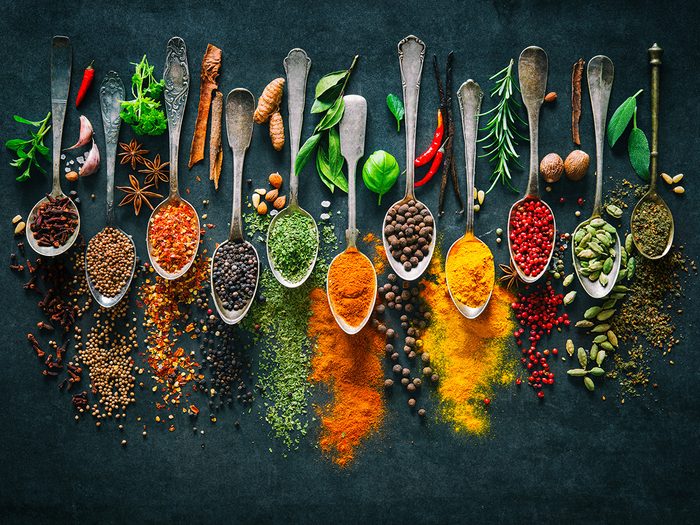
Healthy herbs and spices
Herbs and spices like ginger, garlic, and sage don’t just add zip to your favorite foods. They also may have some surprising healing properties and may even help fight disease, says registered dietitian Frances Largeman-Roth, nutrition and wellness expert and author of Eating in Color. “Herbs and spices are a wonderful way to add flavour and nutrients to your meals without adding additional calories,” she says. Here are 10 worth adding to your healthy eating plan.
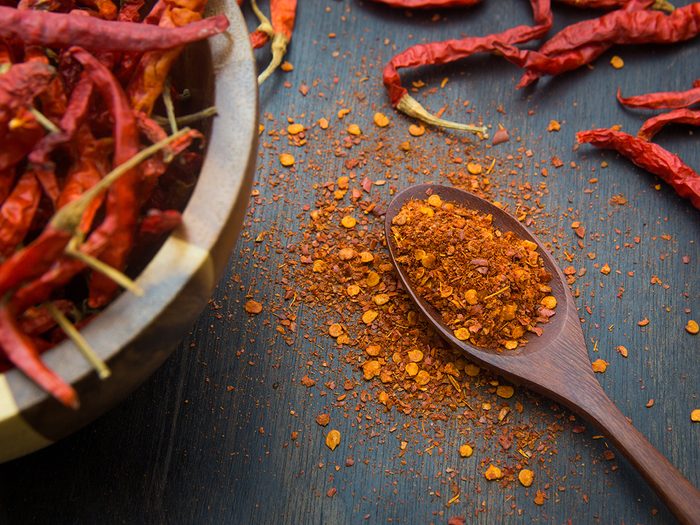
Cayenne
Capsaicin, the oily compound in cayenne and its peppery cousins, is the active ingredient in many prescription and over-the-counter creams, ointments, and patches for arthritis and muscle pain; it’s also used for treating shingles pain and diabetes-related nerve pain. Cayenne is thought to act as an anti-inflammatory and antioxidant. Sprinkle some onto your chicken soup to turbocharge that traditional cold remedy, since cayenne shrinks blood vessels in your nose and throat, relieving congestion. It’s also a metabolism booster, speeding up your calorie-burning furnace for a couple of hours after eating if your body mass index (BMI) is in the overweight or obese category. While cayenne and other herbs and spices taste great, you may not get all the benefits from food, warns Erica Matluck, a licensed naturopath and nurse practitioner in San Francisco. “If you are using herbs for prevention, cooking with them and teas are often a good option for most herbs,” she says. “However, if you are using herbs to address health issues, often supplements are needed to get a therapeutic dose.”
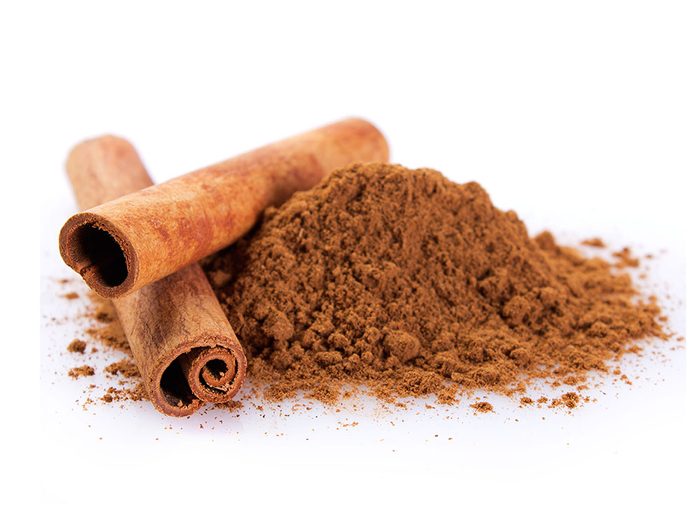
Cinnamon
Cinnamon isn’t just delicious sprinkled on oatmeal or your latte. It’s also a potentially healing spice, and has gotten a lot of buzz for its potential to improve blood sugar control in people with diabetes. Cinnamon has also been linked to improved cholesterol profiles in people taking it as a supplement, and, like many other spices, it has antibacterial and anti-inflammatory properties. Cinnamon essential oil was found in studies to cause cell damage to harmful bacteria like E. coli and Staphylococcus aureus.
Find out more surprising health benefits of cinnamon.
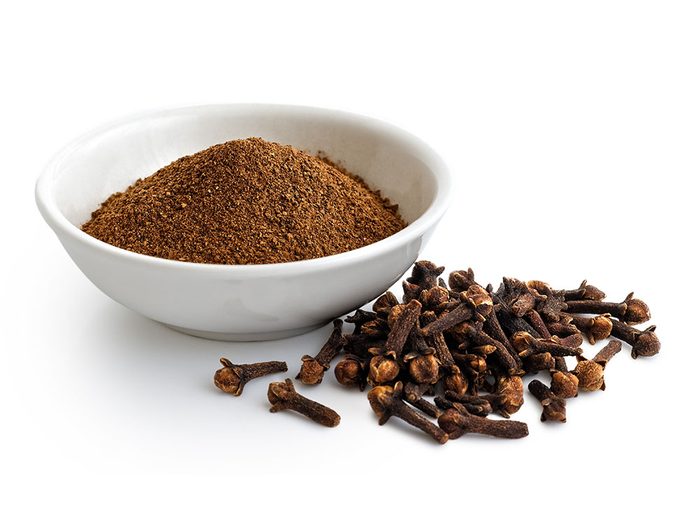
Cloves
Cloves contain an anti-inflammatory chemical called eugenol. Some research suggests that this chemical inhibits a protein that spurs inflammation, which causes pain and other health issues. The combination of anti-inflammatory and antioxidant properties indicates other possible health benefits, such as boosting protection against heart disease. Compounds in cloves, like those found in cinnamon, also appear to improve insulin function. It’s usually fine to add cloves and other spices in food without consulting a doctor, unless you have an allergy, notes Matluck. However, “When using herbs at higher doses and/or to address symptoms, I always recommend consulting with a professional,” she adds.
Here are 16 prescription drugs and supplements you should never mix.
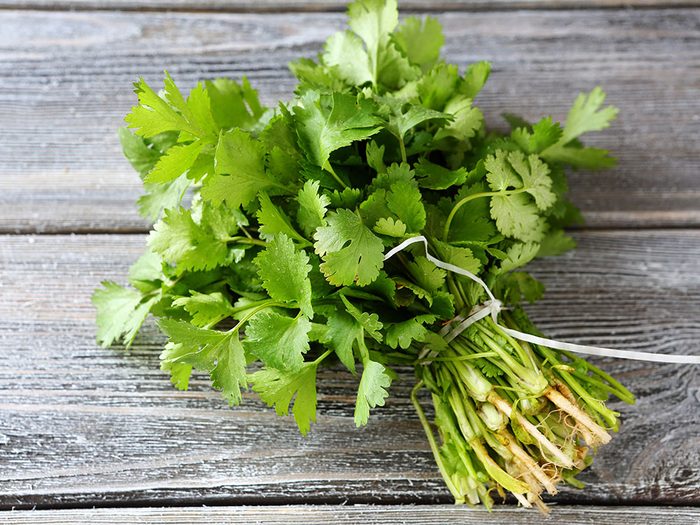
Coriander and cilantro
Coriander seeds yield cilantro, also known as Chinese parsley, a staple herb in Mexican, Thai, Vietnamese, and Indian cooking. The herb can be helpful for some people with irritable bowel syndrome, as it calms intestinal spasms that can lead to diarrhea. A 2018 review of studies on coriander published in the journal Food Research International suggested that coriander seeds may have many benefits, including potential for pain relief, as a migraine-reliever, and to improve heart health. You can add it to anything from guacamole to eggs, and try making a strong tea from crushed seeds (strain before drinking) as a digestive aid.
Here are more home remedies for indigestion worth trying.
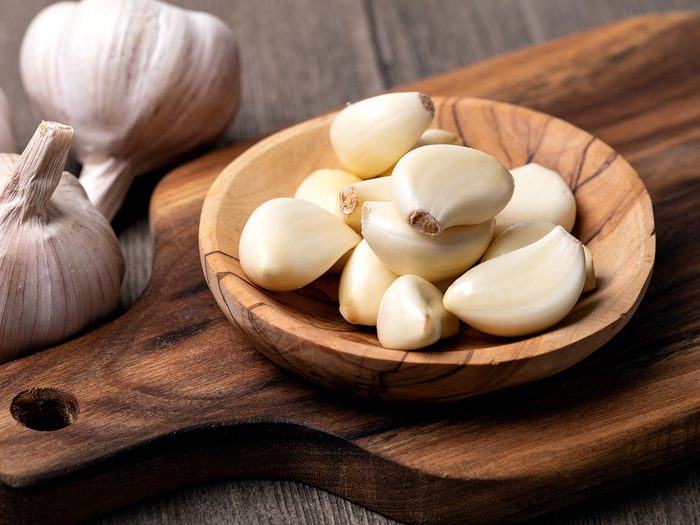
Garlic
You know that dragon breath you get when you eat raw garlic? The odour comes from byproducts of allicin, the sulphur compound believed to be responsible for most of this herb’s medicinal benefits. Supplementing with garlic has been found to reduce blood pressure and total cholesterol in a range of studies, although it should never be used as a substitute for heart medication. This healing herb may also be associated with a reduced cancer risk, according to 2019 research published in the journal Nutrition and Cancer.
Discover 20 more foods that may help lower blood pressure.
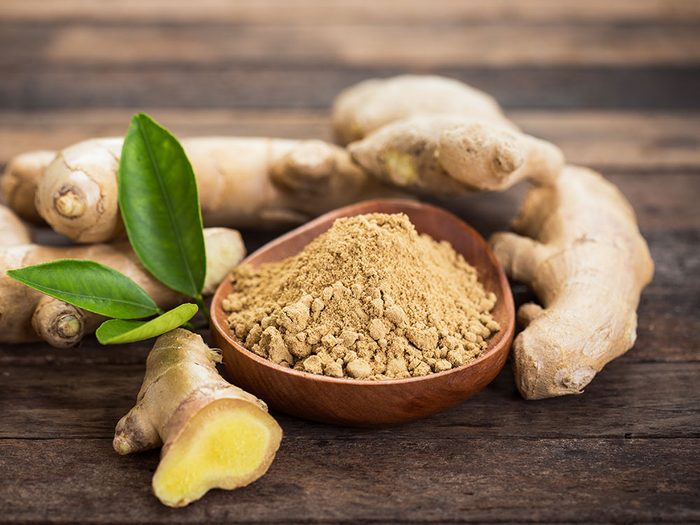
Ginger
Ginger isn’t just a delicious ingredient in cookies and candy. This root has played a major part in Asian and Indian medicine for centuries, primarily as a digestive aid, and Matluck notes that ginger is often added to herbal formulas to increase the potency of other herbs. Researchers are also excited by ginger’s ability to combat inflammation, and several studies on ginger supplements have found that it reduces pain and swelling in people with arthritis. It may work against migraines by blocking inflammatory substances called prostaglandins. A study in Nutrition found that daily ginger consumption may help decrease your risk for high blood pressure. Ginger’s still good for the tummy, too. It works in the digestive tract, boosting digestive juices and neutralizing acids as well as reducing intestinal contractions, and several studies have shown that it reduces nausea for people on chemotherapy or women suffering from morning sickness. “Ginger is incredibly easy to add to dishes, either in powdered form or fresh,” adds Largeman-Roth. “You can add it to baked goods, like muffins, and smoothies very easily. A little does go a long way, so try adding it by a ¼ teaspoon and go up from there.”
If that doesn’t work, try these other effective home remedies for nausea.
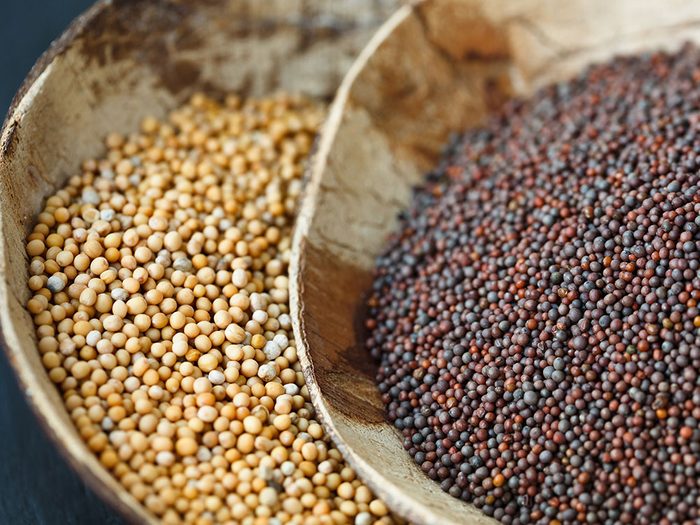
Mustard
Mustard isn’t just for hotdogs anymore. Mustard poultices and treatments have traditionally been used to help break up congestion and increase circulation, and some research points to using mustard oil as an anti-inflammatory and to help reduce pain. Try mustard seeds in curries and pickling solutions.
Find out 14 foods everyone over 50 should be eating.
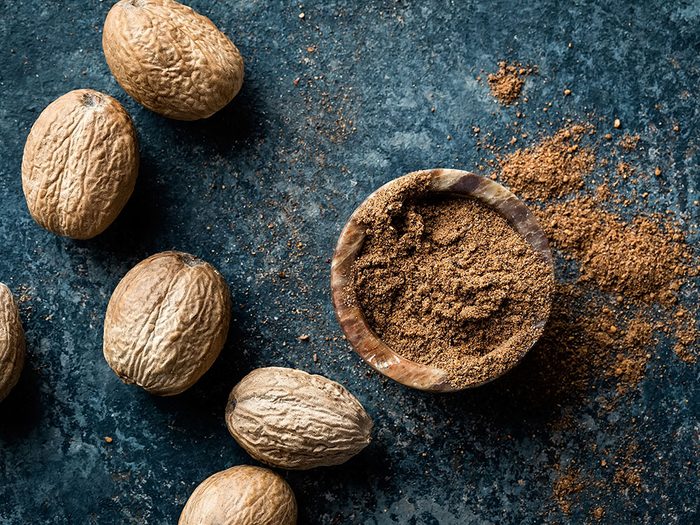
Nutmeg
Nutmeg contains eugenol, a natural plant compound that may benefit the heart. Some historians link its popularity in the spice trade to the hallucinatory effects that result from ingesting large amounts. The euphoria, which is due to nutmeg’s active ingredient, myristicin, is described as similar to that caused by the drug ecstasy, so don’t ingest large amounts. A better idea: sprinkle a little nutmeg into your hot chocolate or use it as a baking spice.
Here’s the real difference between herbs and spices.
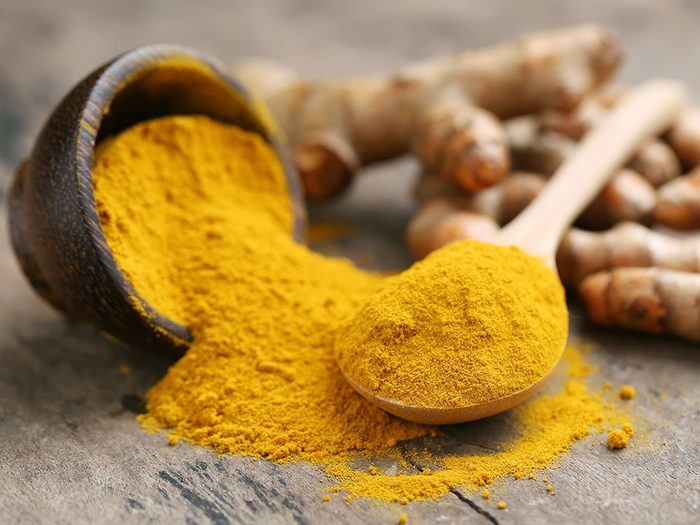
Turmeric
Turmeric, the spice that gives curry powder its yellow hue, is used in Indian medicine to stimulate the appetite and as a digestive aid. But lately it’s getting attention as a potentially powerful cancer fighter, particularly for colon cancer. (Here are the signs of colon cancer you might be ignoring.) The chemical responsible for turmeric’s golden colour, called curcumin, is considered a potential anticancer agent, helping to quell inflammation and repair damaged DNA. Studies have also linked turmeric to reduced inflammation in a number of conditions, including psoriasis and rheumatoid arthritis. The absorption of curcumin is improved when combined with black pepper and a source of fat, “so having turmeric in a curry is a better option than just sprinkling it over your food,” says Largeman-Roth.
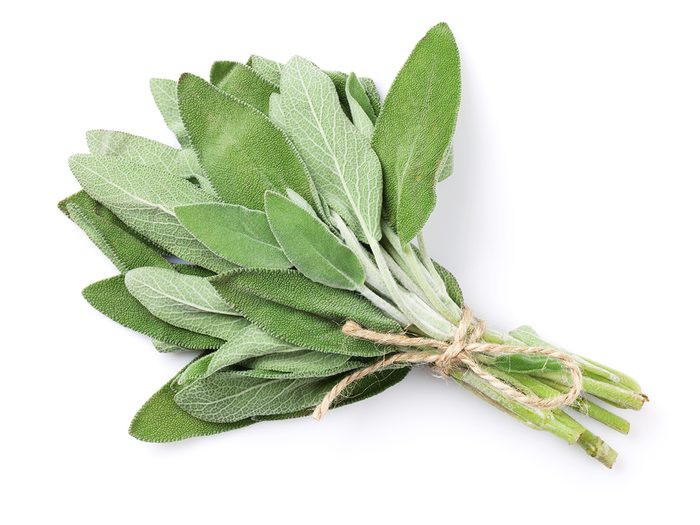
Sage
Perhaps it’s no coincidence that “sage” describes a wise person; the herb is a known memory enhancer and has been shown in some lab studies to protect the brain against certain processes that lead to Alzheimer’s disease, and improve mood and memory. Like so many other herbs and spices, sage has anti-inflammatory and antioxidant properties as well as anticancer actions. Today sage shows potential as a type 2 diabetes treatment because it appears to boost the action of insulin and reduce blood sugar.
Next, check out 10 home remedies that are backed by science.