

What Happens to Your Body When You Start Walking 10,000 Steps a Day
It doesn't have to be New Year's to make a resolution to move more! Here's how this popular fitness challenge can impact your overall health.

Simple Ways to Make Walking More Fun
Lost your lust for hitting the pavement? Put the spring back in your step by making your daily walk a...

The Best Exercises For Seniors to Build Strength and Improve Balance
Research suggests these five exercises for seniors can help maintain muscle mass, improve balance and boost the health of your...
Silent Signs You Need to Move More
Feeling lethargic and tired all the time? Here's how to get your activity up.
The Best Workouts for People Who Hate Exercise
There’s not much that a little stroll can’t fix. Boost your mood instantly with these simple moves.
Household Items That Double as Fitness Equipment
Your home is filled with free fitness equipment. Here's where to look and how to use them.

What is Pickleball? The Sport’s Exploding Popularity, Explained
Whether you're wondering what it is or how to play, here's the rundown on pickleball.
This Kind of Exercise Can Reduce Men’s Cancer Risk, According to a New Study
Compelling research suggests fitness in your youth has the power to prevent numerous cancers down the road.

5 Things You Can Do Every Day to Prevent Muscle Loss
Bonus: Only one of them involves lifting weights.
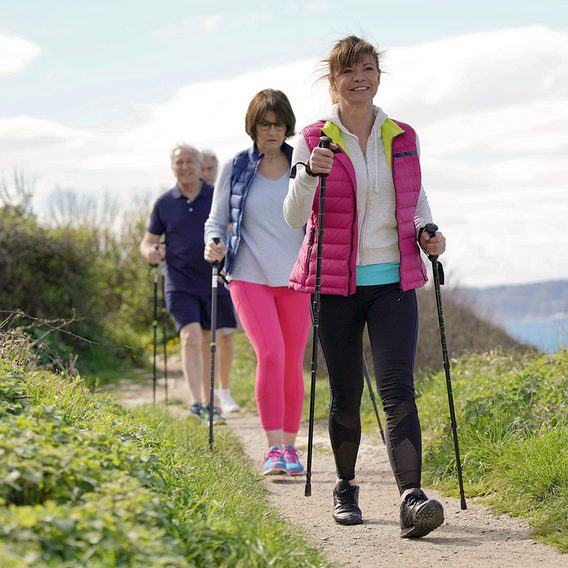
The Easiest Way to Get a Full Body Workout From Walking
Have you ever seen someone strolling down the sidewalk holding what look like ski poles—in the dead of summer? If...

The Best Exercises to Relieve Arthritis Pain
Suffer from stiff, swollen joints as a result of arthritis? These five types of physical activity may help relieve some...
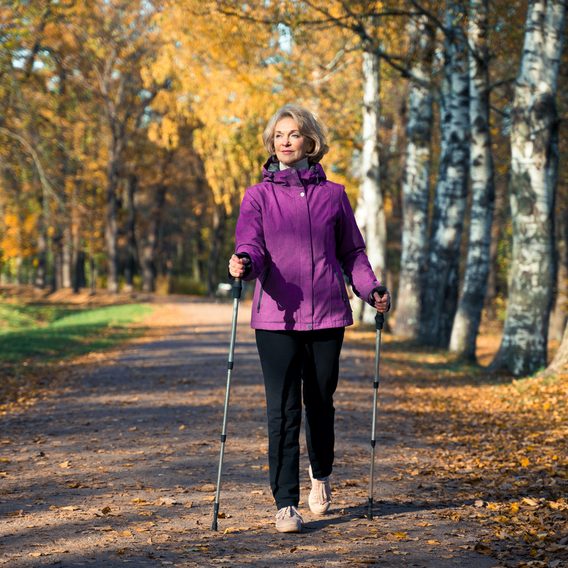
Nordic Walking Wasn’t Easy to Learn—But Now I Love It
Nordic walking increases your heart rate and uses more muscles, making it a more full-body workout compared to walking without...
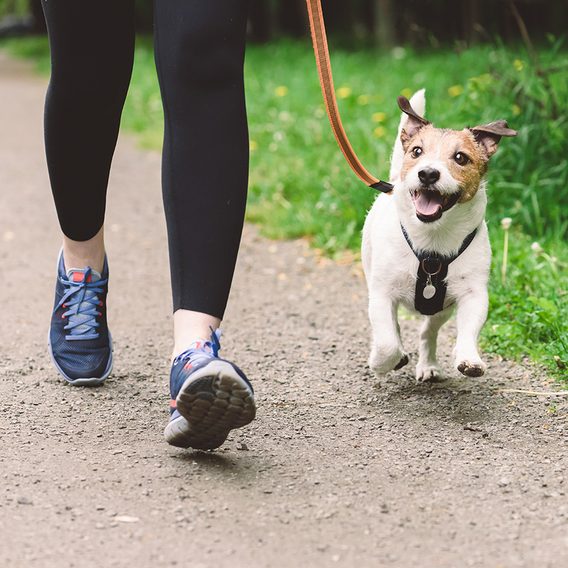
This is the Ideal Pace For Your Daily Walk, According to Science
Research suggests marching to the beat of some of your favourite tunes might make your daily walk even healthier.
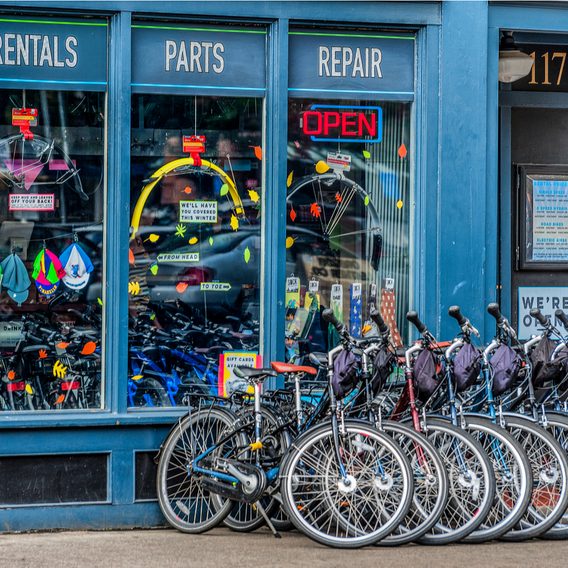
The Ultimate Guide to Buying a New Bicycle
Expert advice on how to buy a bike, whether you're a daily commuter, an off-roader or just want to take...
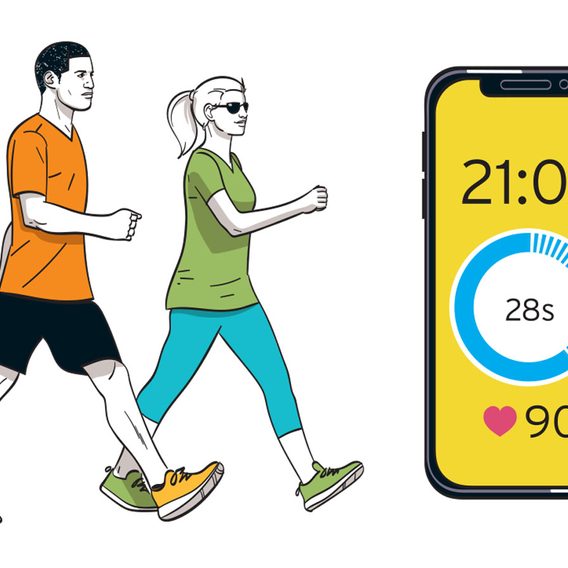
10 Simple Moves to Keep You Fit
These easy, science-backed exercises can improve your mobility and overall health.
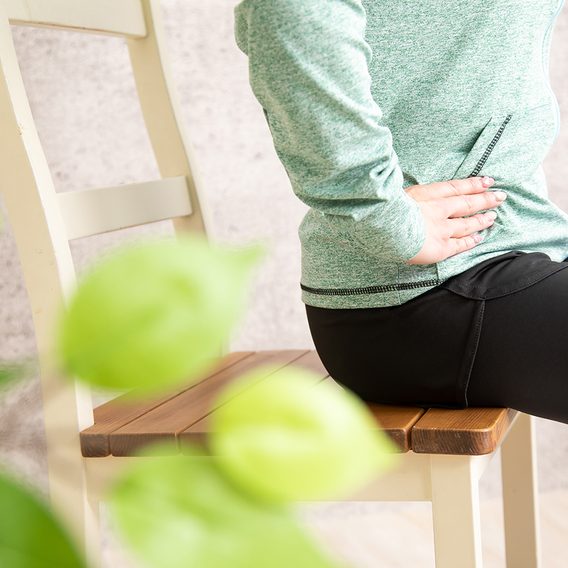
I Tried Chair Yoga—Here’s What It Was Like
Could this popular senior fitness trend benefit desk-bound workers like me?
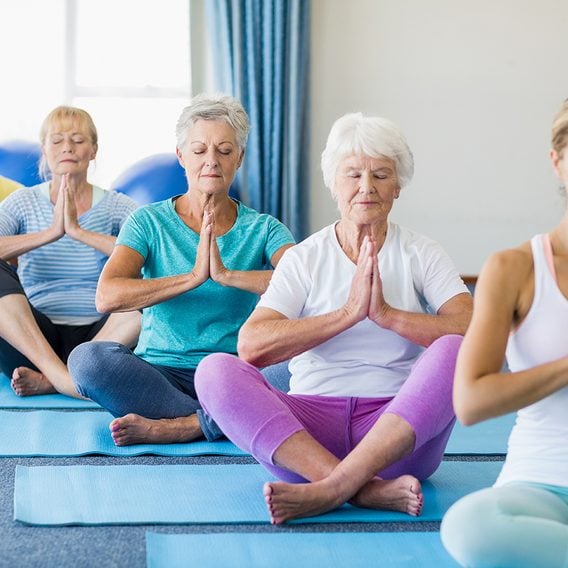
If You’ve Never Tried a Group Fitness Class, This Might Convince You to Sign Up
Exercising with a companion or in a group—whether at yoga sessions or when cycling—has many upsides.

5 Winter Workouts You Didn’t Even Know You Were Doing
If there's an upside to winter, it's that all of the chores count towards your daily physical activity.
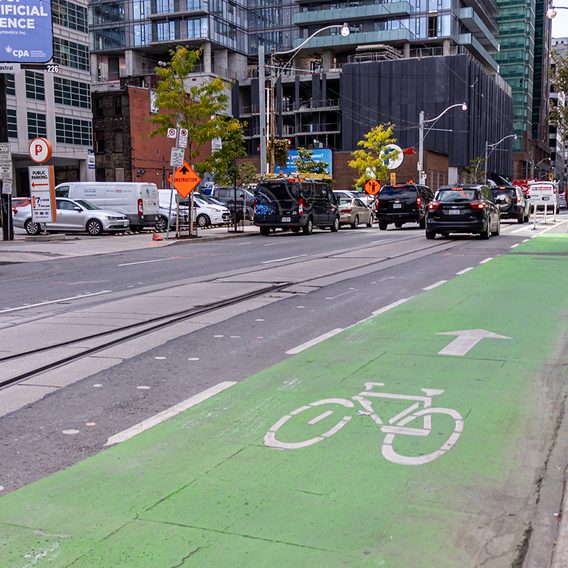
A Beginner’s Guide to Bike Commuting
Gas prices got you down? Follow this beginner cycling advice from Chip Haynes, author of The Practical Cyclist: Bicycling For...
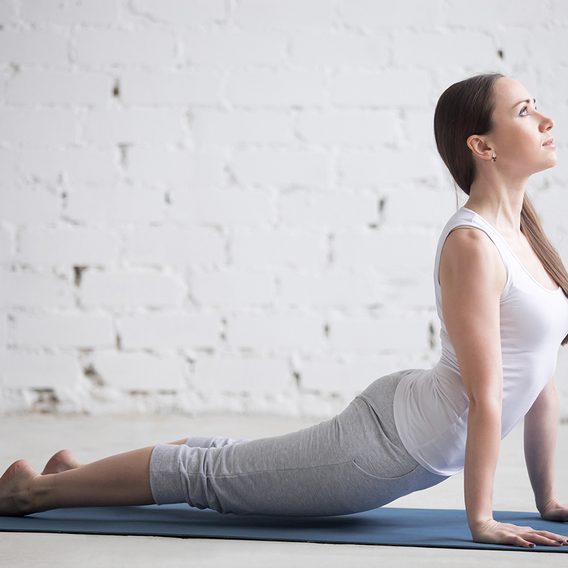
5 Yoga Poses to Try for Lower Back Pain
Build core strength and spinal flexibility with these expert-recommended yoga poses for lower back pain relief.
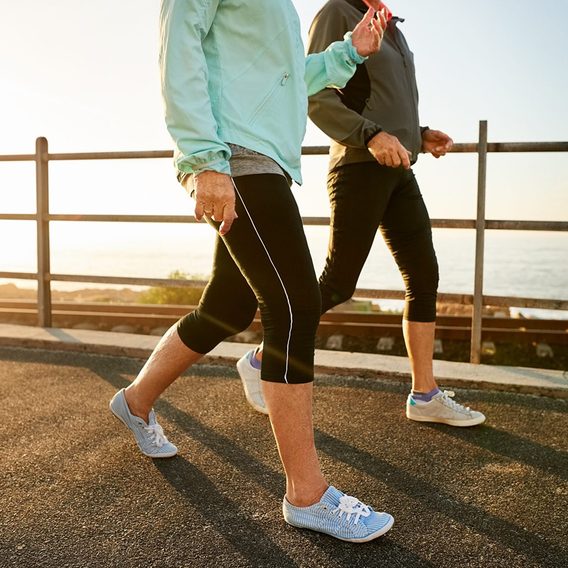
9 Walking Mistakes You Didn’t Know You Were Making
Walking is a simple and effective type of exercise, but there are some common mistakes people make that can get...
Why 20 Minutes Is the Magic Number for a Healthier Immune System
More isn't always better—and that's even true when it comes to your workouts. According to science, squeezing in 20 minutes...
Keeping Fit After Fatherhood: 6 Tricks to Ditch Your Dad Bod
Has becoming a dad brought with it a few extra pounds? Professional wrestler and “Dad Bod Destroyer” Robbie E reveals...
The Key to Healthy Aging? Moving More! 5 Ways Getting Active Keeps You Young
Adding small doses of physical activity to your daily routine can have a big impact on the aging process. Here's...
17 Myths You Shouldn’t Believe About Fitness After 50
Being over 50 isn't too late to get in shape. Here's a look at myths you should never believe about...


This Is Why Your Brain Never Wants You to Exercise
Turns out there’s a biological reason why you’d rather sit on the couch than exercise. Here’s what it is—and how...
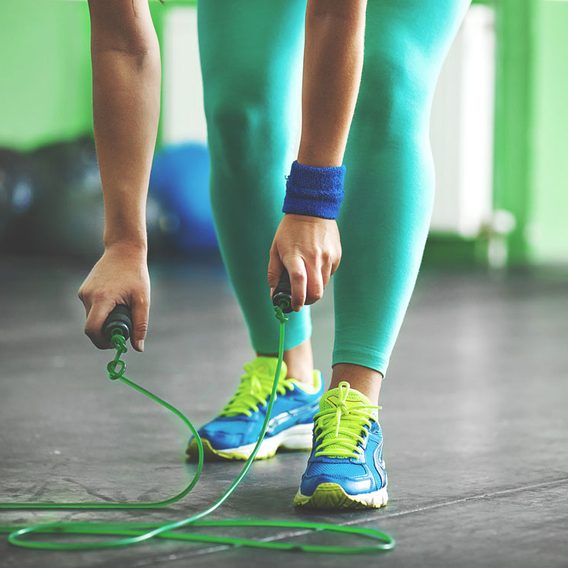
The 15 Best Workouts for People Who Hate Exercise
Hate working out? Allergic to gyms? Don't sweat it. Simply choose one of these fun activities and watch your fitness...
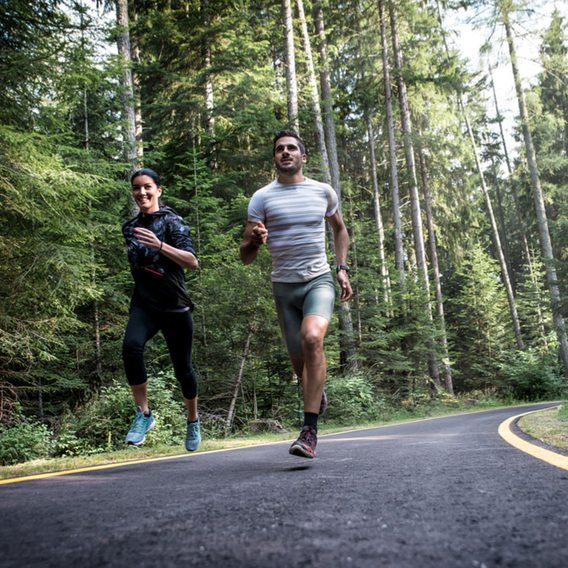
9 Things That Happen to Your Body When You Start a New Running Workout
When you commit to a running program for the first time, you expect to break a sweat and lose some...
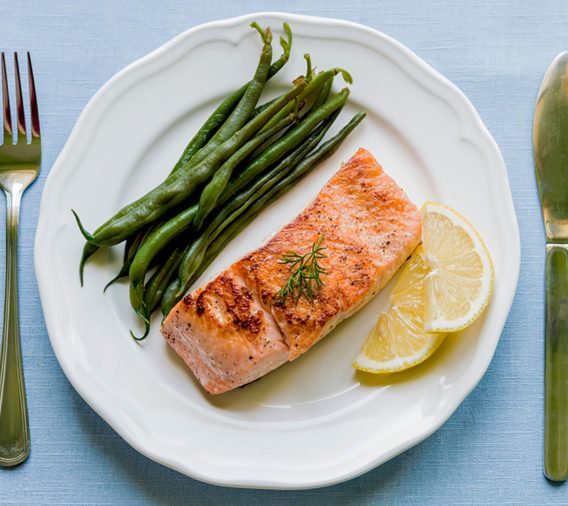
How to Get a Six-Pack—Without Doing a Single Crunch
Killer abs, here we come.
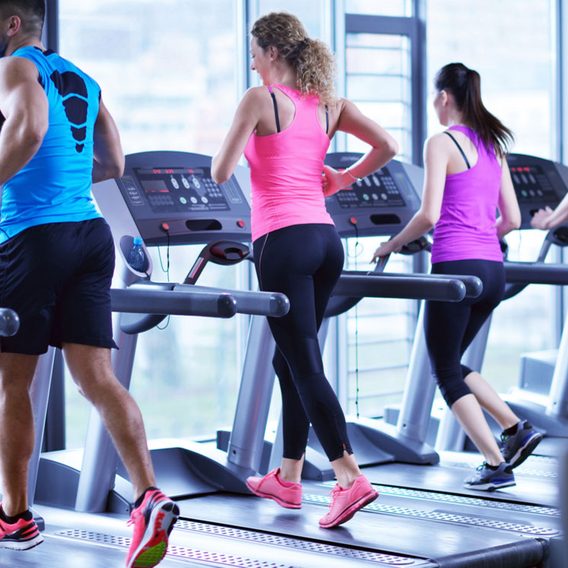
10 Secrets for Choosing a Health Club
Finding the right spot to go to is half the battle to getting fit. Find out what to look for...
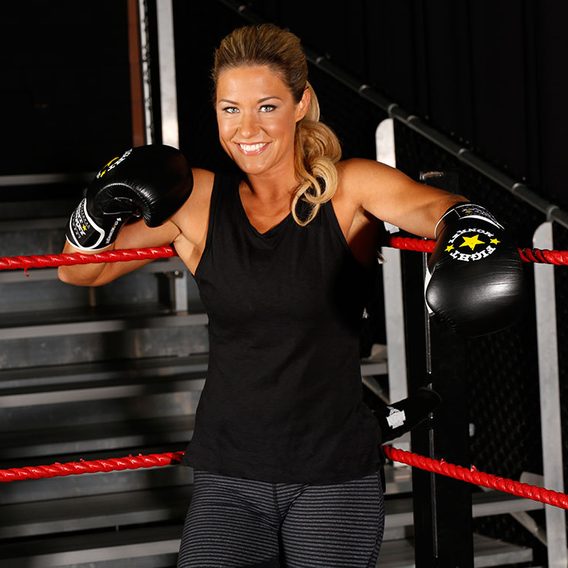
How This Mother of Four Turned Her Passion for Fitness Into an Exciting New Career
For Nichelle Laus, overcoming a childhood trauma led to kick-boxing, police work and, ultimately, a new life as a business...
