

8 Science-Backed Ways to Boost Your Immune System






Adopting these simple strategies can help your body ward off illness and infection.
How to Boost Your Immune System, Naturally
Christine Walker always seemed to catch whatever cold germs were flying around. Now in her early 50s, she realized that if she didn’t do something, her immune function would continue worsening with age. Her mother had never prioritized a healthy lifestyle and now has chronic illnesses and mobility problems. But her father, who’d exercised throughout Walker’s childhood, is still active in his 80s and is rarely under the weather. “They’re like night and day,” says Walker. “I definitely want to age like my dad.”
But Walker’s lifestyle stood in the way. She clocked long days as director of a chef school, with little time left to be active or enjoy the outdoors. In March 2020, when the pandemic meant she could skip her commute and instead work from her home in Whitby, Ontario, she found herself spending even more hours at her desk.
Walker’s increasingly sedentary existence had repercussions. In addition to catching bugs easily, she didn’t sleep soundly, her joints ached and her weight reached unhealthy levels. “I was worried about how I would react if I caught COVID,” she recalls. “Would I end up in the hospital?”
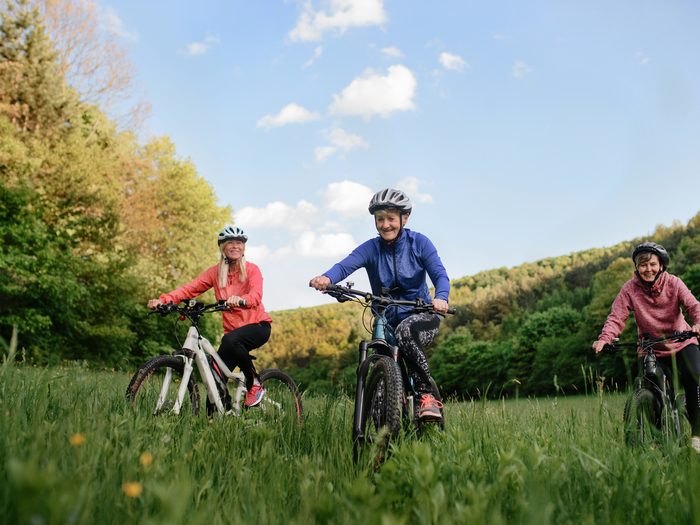
One night last April, after Walker went to bed with the usual soreness from sitting all day, she decided enough was enough. She and her husband, Andre, began walking the perimeter of a small local park. As she grew stronger, her walks got longer; she used an app to find hiking trails several kilometres long. The couple also started biking—it was hard on her knees at first, and exhausting, but she gradually built her endurance. She tracked what she ate, making sure most of her calories came from healthy foods like vegetables and whole grains instead of chips and treats. She took online fitness classes and lifted weights.
Walker noticed changes within weeks. “I started to feel more alert, and it wasn’t as hard to wake up in the morning,” she says. She could cycle a 16-kilometre route without tiring, barely noticing inclines that, in the past, would have forced her to get off the bike and walk. Her knees hurt less on the stairs, and she wasn’t taking ibuprofen for pain as often. Her stress levels were also lower. “Stress is a lot harder on the body than people realize. I’m more patient now, less frustrated.”
There are many factors affecting the immune system that we can’t do anything about—aging weakens our immune function, for example, and we have individual genetic differences that affect how we deal with disease. Malnutrition (from a dwindling appetite or a disorder like celiac disease) or physical immobility (due to bedrest, for example, or a temporary injury) also impair our immunity.
But Walker has reason to be hopeful that she’ll combat diseases better as she moves into her senior years. As scientists are discovering, certain lifestyle changes can improve the body’s ability to fight illness and infection.
Our immune function is incredibly complex. “We’re still struggling to understand it,” says Dr. Donald Vinh, an infectious-disease specialist and medical microbiologist at McGill University’s health centre. “We’ve made progress in the last 50 years, but it’s a young field.”
Compared to the cardiovascular system or respiratory function, the human immune system has a plethora of nuts and bolts. These include antibodies, organs, proteins and enzymes. There are also lymphocytes, a type of white blood cell, which include natural killer cells (these attack infected cells) and memory cells (B and T lymphocytes designed to remember and do battle with a germ if it ever returns). Aspects of our immune system are found all over us, from our skin to our brains to our bone marrow. Even the mucous in our lungs and the acid in our stomachs are part of our body’s defences.
All of these moving parts complement each other. Some are tools we’re born with, already primed to recognize and attack certain invaders (this is known as innate immunity). Others are instruments for figuring out how to defend against bugs we encounter for the first time, called adaptive immunity.
Because of this complexity, anyone seeking a quick fix or miracle pill is out of luck. “People think they can just boost the immune system as if it were a muscle, but it’s far from that simple,” notes Vinh.
But like any bodily function, immunity works best when we support our general health—and researchers around the world are getting closer to exposing more links between the choices we make and how well our immune systems work. Here’s how to boost your immune system in eight simple steps.
Take Your Shots
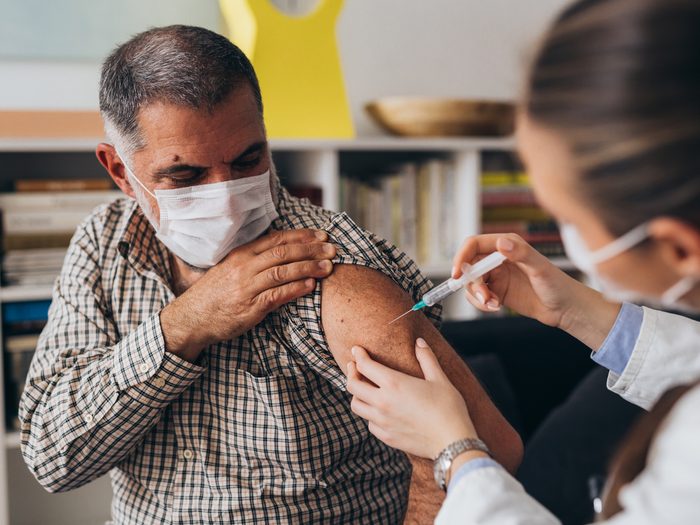
When it comes to powering up the immune system, vaccines are the most important breakthrough in history. Childhood vaccinations, for instance, have been a key factor in our longer lifespan today. “We don’t see polio, and kids aren’t dying from diphtheria, for exactly that reason,” Vinh explains. Even before COVID-19, vaccinations against diseases like flu and measles were saving four to five million lives a year, according to the World Health Organization. “Vaccines don’t fix all problems, but they’re profoundly effective,” Vinh says.
A vaccine provides a training session for our adaptive immunity, showing it how to fight an invader it’s never seen before. Traditionally, a weakened or killed virus component that can’t make us sick is injected—but some modern vaccines instead contain instructions for our own bodies to make harmless proteins that look similar to the virus.
“After the vaccine, you’ll have antibodies already made, so when you see the bug, you’re pre-armed and ready,” Vinh explains, adding that researchers are developing drugs to try to boost innate immunity, as well. A natural infection may produce a similar effect as a vaccine, but it’s not as safe. “Polio is one of the best examples,” he says. “It might give you just a little bit of diarrhea, but some people will be paralyzed.”

Watch What You Eat
Inflammation, a chemical cascade that’s a critical part of our immune response, also has a dark side. When it’s helping, inflammation traps viruses and bacteria by triggering fluid and swelling. It also aids in healing tissues by calling for a cleanup crew of specialized white blood cells called phagocytes. But inflammation is also triggered by glucose and fats, and if it’s constant, it can wreak havoc on your body—causing health problems such as diabetes, liver disease and cardiovascular disease.
Refined carbs, like white flour, and sugar-sweetened drinks, such as pop, have long been linked to higher levels of inflammation in the body, even if the mechanisms aren’t fully understood.
“A cookie or a piece of candy or cake once in a while isn’t going to impact the immune system,” says Maryam Naslafkih, a registered dietitian in Saint John, New Brunswick, with a background in biochemistry. “But if highly processed foods have a bigger place on your plate than whole foods like fruits and vegetables, then honestly, you won’t feel good.”
Many studies draw a connection between nutrition and immune function. In 2021, Harvard researchers rated the eating habits of almost 600,000 people and found that those whose diets placed the most emphasis on plant-based foods had a 41 per cent lower risk of getting severely ill with COVID-19 compared to those with the worst diets.
Should we use dietary supplements? “People say ‘I’m going to take minerals and vitamins and boost my immune system,’ but loading up doesn’t make you superhuman,” says Vinh.
For most of us, even as we age, a balanced and varied diet gives us most of the nutrients and micronutrients we need. Taking megavitamins, herbs or other products will only bruise your wallet, with no evidence they’ll boost your immune system ward off disease. On the contrary, many supplements—iron, zinc and vitamins A, C, D and E, to name a few—have side effects or are toxic in high doses.
In rare cases, vitamin deficiencies can interfere with immune function. If you’re vegan, you should take a vitamin B12 supplement, and if you aren’t getting a lot of sun exposure, you may require vitamin D. To determine if you have a deficiency, ask your GP to send you for a blood test.
Get Moving
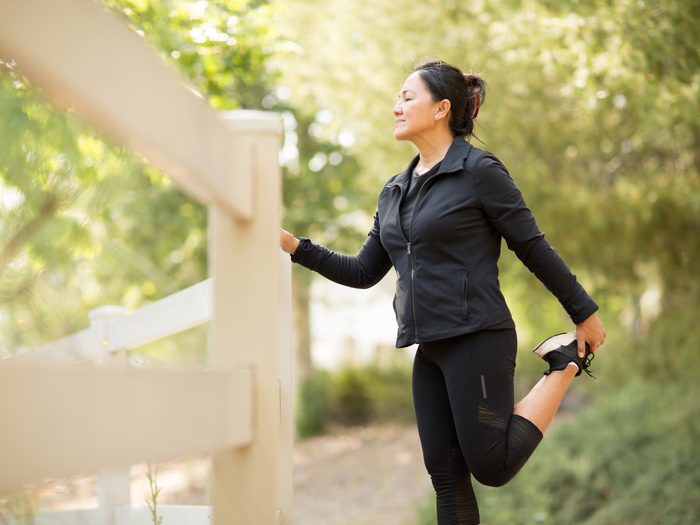
It’s been established that people without much mobility, or those who never exercise, have less resistance to bugs. Regular moderate physical activity, on the other hand, optimizes immune function. And it doesn’t take much. A U.S. study of people with COVID-19 infections found that those with inactive lifestyles had a higher risk of hospitalization, while people who exercised, even a bit, were more likely to get better on their own.
In an experiment published by Duke University’s School of Medicine in 2018, inactive seniors with rheumatoid arthritis improved their innate immunity and lowered inflammation by adding 30-minute exercise sessions three times a week. Researchers are still looking to explain this effect, but a 2021 paper in Nature revealed a clue, showing that walking and running stimulate the production of B and T lymphocytes in the bones.
Avoid going to extremes, though; some research shows that prolonged, marathon-style physical exertion may disrupt our normal immune function. Aim for 10 to 30 minutes of exercise every day to get the immune benefits. If you have a chronic condition that makes this amount challenging, just do as much as you comfortably or safely can.
“Every minute really does count,” says Mary Jung, associate professor at the University of British Columbia’s School of Health and Exercise Sciences. “If you feel as though you’re not doing enough, you won’t stick to it, because you’ll think there’s no point. In fact, there are exponentially greater health benefits for those who are doing very minimal amounts, compared to doing nothing at all.”
Jung says it’s often helpful to write down on a calendar exactly where, when and with whom you exercise, because you’ll see how it can fit into an already busy schedule. Having a walking partner can be motivating, as can registering for online workouts.
Walker fits much of her activity into the morning hours before she sits down at her desk. “I follow a fitness trainer on YouTube, so I get up early and do whatever she’s doing for the day,” she says. “Then I walk the dogs for three kilometres.”
Find out what happens to your body when you start walking 10,000 steps a day.

Drink Less Alcohol, And More Water
Alcohol negatively affects the immune system in a variety of ways, according to the Canadian Centre on Substance Use and Addiction. Excessive drinkers, for example, can have a higher risk of pneumonia and other lung illnesses. They also take longer to recover from injuries and infections. Researchers point to many areas where alcohol damages immunity-related body parts, from the tiny hairs in our airways that trap invaders to the cells lining the walls of our digestive system that ensure microbes don’t escape. Furthermore, alcohol can often take the place of the water that helps our bodies drain waste and deliver nutrients; our immune system relies on both processes.
If you’re a regular drinker, Naslafkih suggests sipping more slowly than usual, having a glass of water after each drink or increasing the ratio of soda water in your mix, noting: “Carbonated water is as good as regular water for hydration—even the flavoured ones, if they contain natural flavours with no added sugar.”
Harness Your Mind Power
When a burst of fear or anxiety does what it’s designed to do, our bodies are flooded with hormones that help us fight or flee—by raising our heart rate and blood pressure to circulate oxygen, for instance. This is called the sympathetic response. Afterwards, our parasympathetic response kicks in, slowing our heart rate and relaxing our bodies.
But chronic stress—from financial worries, from a loved one’s health scare—means those hormones keep building and circulating, which is unhealthy. Chronic stress can sap our defences and destroy immune cells. A 2021 study at Western University, for instance, showed that one type of stress hormone, called glucocorticoids, can reduce the function of a class of T cells that fights cancer.
Psychology professor Steve Joordens of the University of Toronto Scarborough suggests that any break from constant stress will help. “Fill your life with opportunities to get away from anxiety, by pushing yourself into positive places,” he says. “Sing, dance or laugh. Make Tuesday night a comedy night. Do karaoke with your family.”
Another strategy is to take time out to feel gratitude for whatever you appreciate in your life: a cuddly cat, a good-news medical-test result, the view from your window. “It’s a way of countering the negative things that jump into your mind with something more positive.”
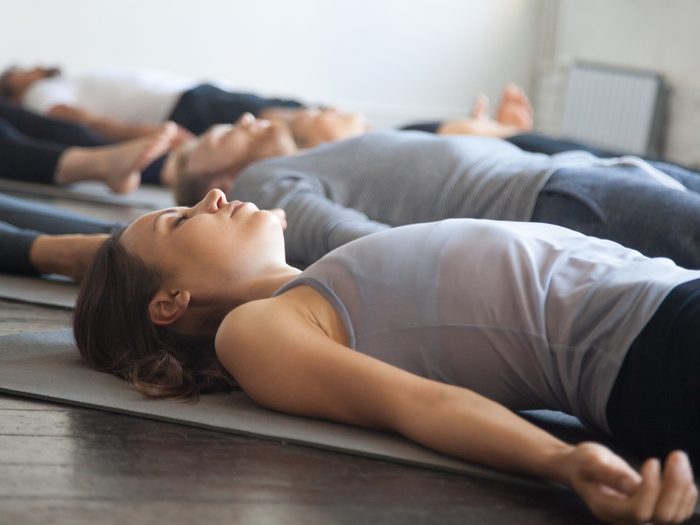
You can also train yourself to induce physical relaxation in your body. Try deep breathing or, better yet, do an online search for guided relaxation and learn how to clench and release muscle groups. “It’s a skill, and it takes a while to develop,” says Joordens, “but if you learn what it feels like to be totally relaxed, then you can put yourself into that state when you’re feeling anxious.”
Discover the health benefits of daily mindfulness meditation.
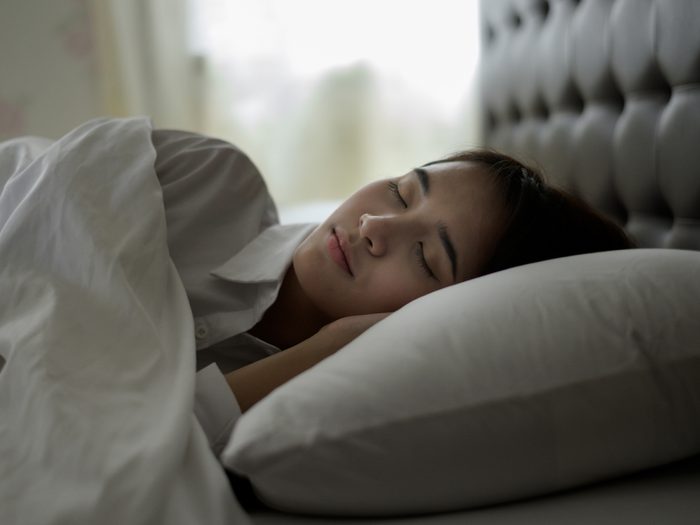
Hit the Hay
A consistent good night’s sleep of seven to eight hours lowers our risk of infection and chronic inflammation. On top of that, it even improves our response to vaccines: a 2020 study found that the flu shot produced higher antibody levels in healthy adults if they slept longer on the nights leading up to their appointment.
Just like exercise, sleep affects immunity in ways that are many and varied. One recent study at Toronto’s Sunnybrook Research Institute found that seniors with more sleep disruptions scored lower on cognitive tests but also had immune differences; on later brain autopsies, there were unhealthy changes to their microglia, immune cells in their brain tissue responsible for removing debris and battling infection.
Unfortunately, people tend to have more trouble sleeping after about age 55 because their body clocks don’t work as well, and they may need to try harder to make improvements.
“Part of sleeping right is having a set schedule, at least five days a week,” says Joordens. “If your sleep pattern is erratic, simply wake up at the same time every day—and you’ll eventually want to go to sleep at a reasonable time.”
Take steps to improve your sleep hygiene (ensuring your bedroom is dark, cool and quiet, for example) or investigate your options for help, such as cognitive behavioural therapy. This approach addresses the sources of your insomnia and can be highly effective after just four to eight sessions.

Nurture Your Relationships
Positive social connections have been linked to reduced chronic stress, lower inflammation and a stronger resistance to disease, while loneliness and isolation have the opposite association. A 2017 experiment in Health Psychology found that when people were exposed to cold viruses, those who felt lonelier experienced more severe symptoms, perhaps because it was harder for them to cope with the added burden of an illness. Positive interactions trigger the release of endorphins, which calm down the sympathetic nervous response; social connections also stimulate our natural killer cells. (Here’s expert advice on how to make new friends as an adult.)
Joordens suggests doing some spring cleaning of your social media. “If people are putting things in your face that make you feel anxious, ‘unfriend’ them and get them off your news feed.”
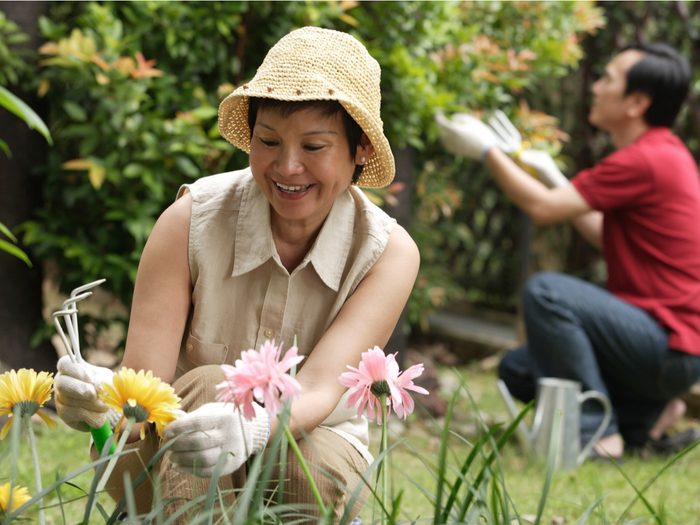
Breathe Fresh Air
Time outdoors gives you a break from indoor air, where infectious bugs may circulate, but it also has benefits for your immune function. A bout of sunlight during the day improves your sleep rhythm at night and allows your body to produce essential vitamin D. And it may do even more: in 2016, researchers at Georgetown University Medical Center demonstrated that the sun’s rays increased the activity of T cells.
Going outdoors usually leads to getting some exercise, and it’s even been shown that exposure to natural environments reduces stress and anxiety.
A few months after Walker started improving her immune function and overall health, she convinced her family to move to a rural property in south-central Ontario. “It forces me to be active outside,” she says, adding that over the summer, she planted a vegetable garden and apple saplings while enjoying the country air. Overall, Walker is gratified with her new life. “I feel I’m a better person than I was two years ago.”
Now that you know how to boost your immune system, consult our healthy home checklist to eliminate potential hazards in every room.

