The Power of Spinach
 Updated: Sep. 28, 2018




Find out why this leafy green vegetable is so good for you. Plus, learn more about how much of it you should be eating.
What You’re Eating
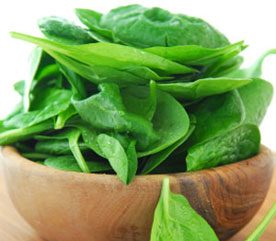
Spinach is one of the best sources of the B vitamin folate – a cancer fighter – and carotenoids such as lutein, which help prevent macular degeneration, the leading cause of blindness in older adults. One thing you’re not eating: a lot of iron. The myth that spinach is rich in iron (which made Popeye strong) surfaced back in 1870 when a researcher’s misplaced decimal point in a publication gave spinach an iron content 10 times higher than reality. Reality is that a serving (1 cup) of raw spinach contains only about 1 mg of iron, which is not well absorbed because it is the plant (haem) form of iron. The calcium it contains also isn’t absorbed very well by your body, thanks to high concentrations of oxalic acid. But these disadvantages are heavily outweighed by other nutritional benefits.
Healing Powers
In addition to protecting your eyes from age-related macular degeneration, thanks to its carotenoids, spinach has high concentrations of vitamin K, which can help maintain bone density and prevent fractures. Spinach is also a powerful source of potassium and magnesium as well as folate, all of which can keep blood pressure low, reducing the risk of stroke. Folate also appears to reduce the risk of lung cancer in former smokers, according to some studies.
Health Tips
To absorb more of the iron from spinach, eat it along with foods rich in vitamin C, such as red capsicum or orange segments.
How much is enough: 1 cup raw or ½ cup cooked spinach leaves is one vegetable serving. Have at least five serves of vegetables every day.
Buying right: Choose crisp, bright green leaves and stems with no sign of yellowing, wilting or bruising. For mild flavour and delicate texture, buy baby spinach. Remove sand or dirt by washing spinach in a sink or bowl of water. Opting for pre-packaged, pre-rinsed spinach eliminates this step, but even this spinach should be rinsed before using.