

The 10 Worst Foods for Aging, According to a Health Expert
 Updated: Oct. 04, 2018




In his book, The Antioxidant Prescription, alternative health expert Dr. Bryce Wylde addresses what science has discovered to be the true underlying cause of disease: free radicals. Avoid the damage by keeping these 10 foods and ingredients out of your diet.
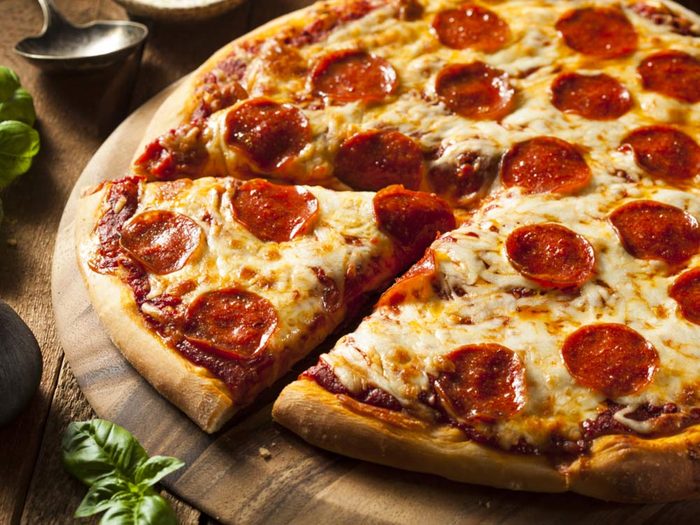

Hydrogenated Fats
As we all know by now, these fats must be avoided because they cause heart disease. They’ve been used for years in snack foods, bakery items and margarine. Avoid buying cookies, crackers, baked goods or anything else that has hydrogenated oil or trans-fats on the ingredients list.
Chefs would rather starve than eat these particular brunch foods.
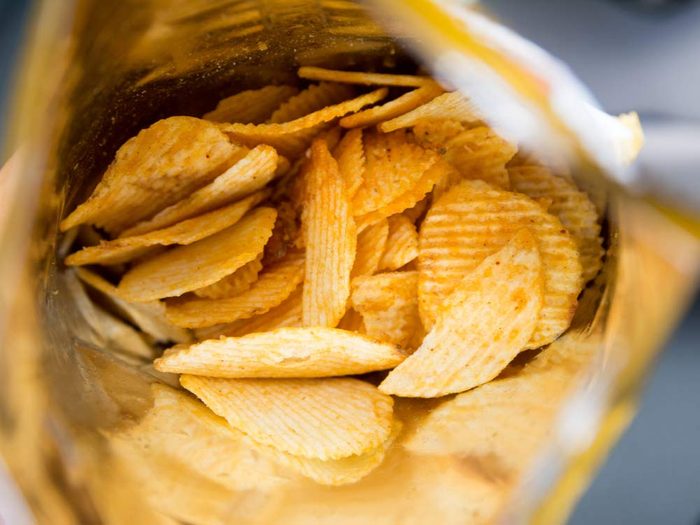
Olestra
Olestra is a synthetic fat used to make non-fat potato chips and other snacks. You’d think, with all the bad rap fat has garnered, a non-fat fat would be great. But Olestra has been shown to bind with fat-soluble vitamins A, E, D and K and carotenoids—our invaluable antioxidant nutrients—and to eliminate them from the system. Never mind the fact that Olestra causes upset stomach and other digestive problems, its consumption encourages people to skip over fruits and vegetables for snacks that appear to offer no threat.
Here are 13 essential vitamins for your body.
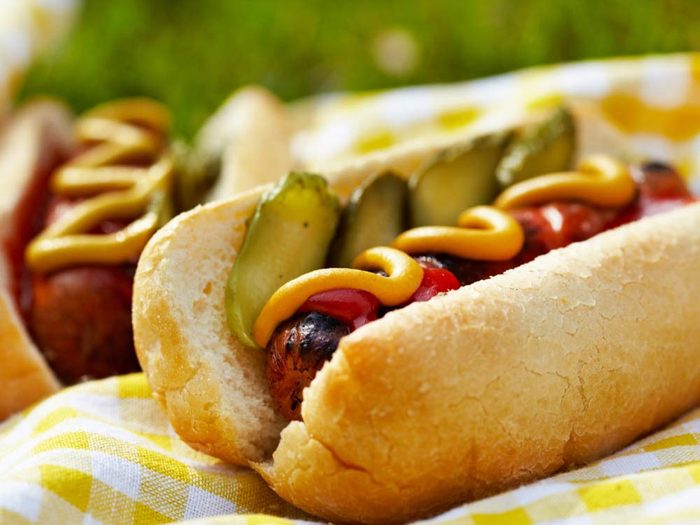
Nitrates
Found at high levels in cured meats such as bacon and hot dogs, nitrates preserve colour and prevent microbes from taking up residence. But they’re bad—really bad. The nitrate itself is harmless, but it can convert to nitrite in your body, which in turn can form nitrosamines, powerful cancer-causing chemicals. Whenever possible, look for nitrate-free organic meats. If you must eat foods containing nitrates, take extra vitamin C as it is known to prevent the conversion to nitrosamines in your stomach.

Alcohol
I’m not talking here about moderate amounts of red wine, but excessive amounts of alcohol. Liver toxicity is the main issue when we exceed our limits, and this, as we’ve learned, causes free radical excess.
Here’s how to spot the silent signs of fatty liver disease.
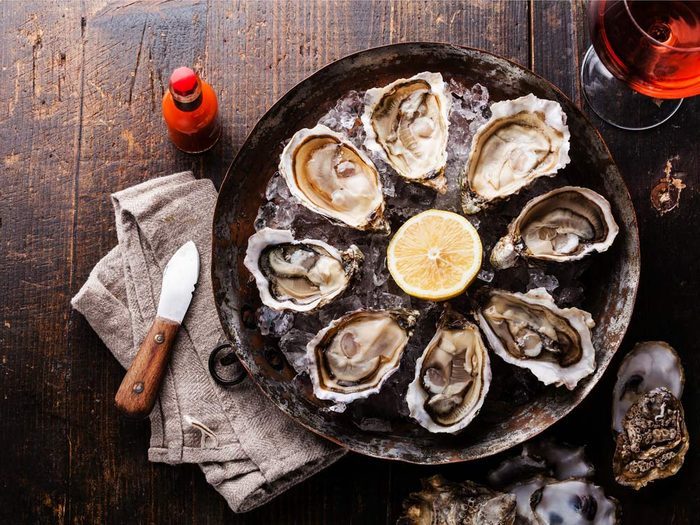
Raw Oysters and Sushi
They taste great, but they can carry deadly bacteria that can cause severe illness or death. You take a big risk every time you consume them. Oysters and fish are usually safe and nutritious foods if you cook them first.
Plus: 10 Delicious (and Healthy!) Lunch Ideas from Around the World
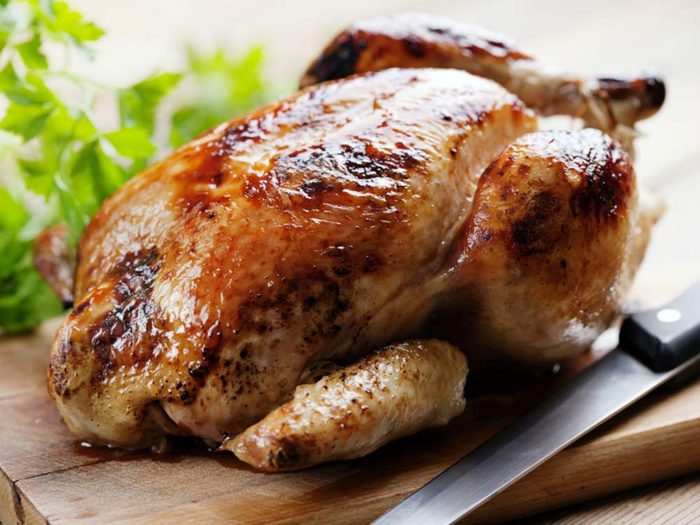
Saturated Animal Fats
Saturated animal fats include the fatty meats, especially beef and pork, and the skin on poultry. It also includes full-fat dairy products such as cheese, milk and cream. Fatty meat and dairy products do have some contributions to make to a diet-including nutrients that feed your brain-but not many that can’t be found elsewhere.
These low-calorie options for cheese lovers are still delicious!
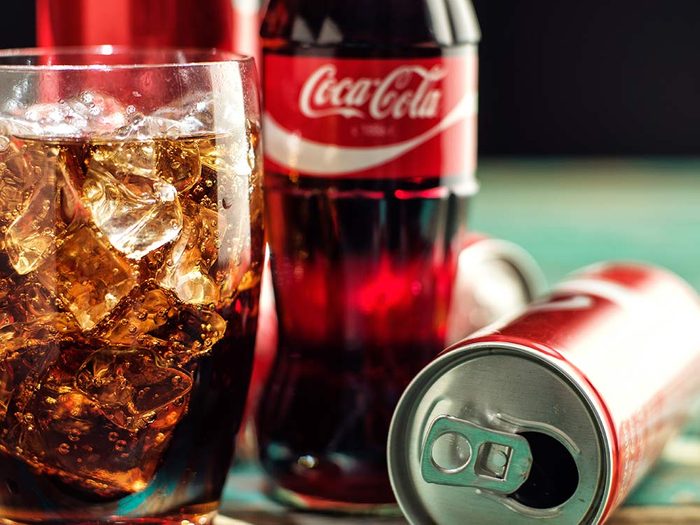
Soda Pop
This is a poor way to get fluids in the short term and a great way to develop diabetes in the longer term. Pop is full of sugar or artificial sweeteners and often contains caffeine, artificial colours and flavours. Replace pop by mixing sparkling water with fresh, pure juice. Bonus: the sparkling juice tastes better than pop. (That’s why pop bottlers try to imitate it.)
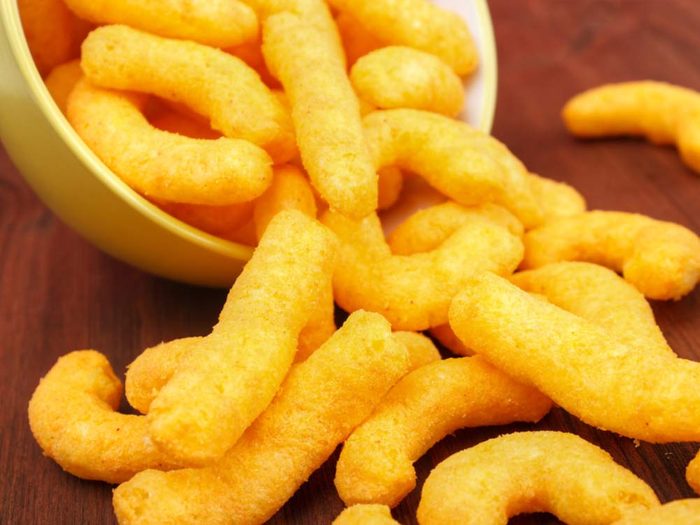
High-Fat and High-Sodium Snacks
These include chips, even if they are made with vegetable oil. Try to avoid these. The balance of fat in our diets has shifted too far towards the omega-6 variety found in most processed vegetable oils. We way overdo salt, leading to many cases of high blood pressure. And there’s now evidence that too many of these fats and sodium-rich foods may be leading to specific chronic diseases. One reason we want to supplement the diet with the necessary omega-3 oils is to regain the proper omega balance and prevent everything from inflammation to heart disease.

Frozen Meals
They may not be inherently bad for you if they have all the “right” ingredients in them, but they do keep you from eating fresh, whole, natural foods that contain more nutrients and fibre and disease-fighting phytochemicals. You may be tempted to excuse them as “better than fast food.” You may be sometimes pressured for time. But don’t let simple laziness displace real foods in your diet.
Plus: 27 Foods You Should Never Ever Buy Again
Adapted from The Antioxidant Prescription by Dr. Bryce Wylde.
Copyright © 2008 by Dr. Bryce Wylde. Excerpted by permission of Random House Canada, a division of Random House of Canada Limited.
