

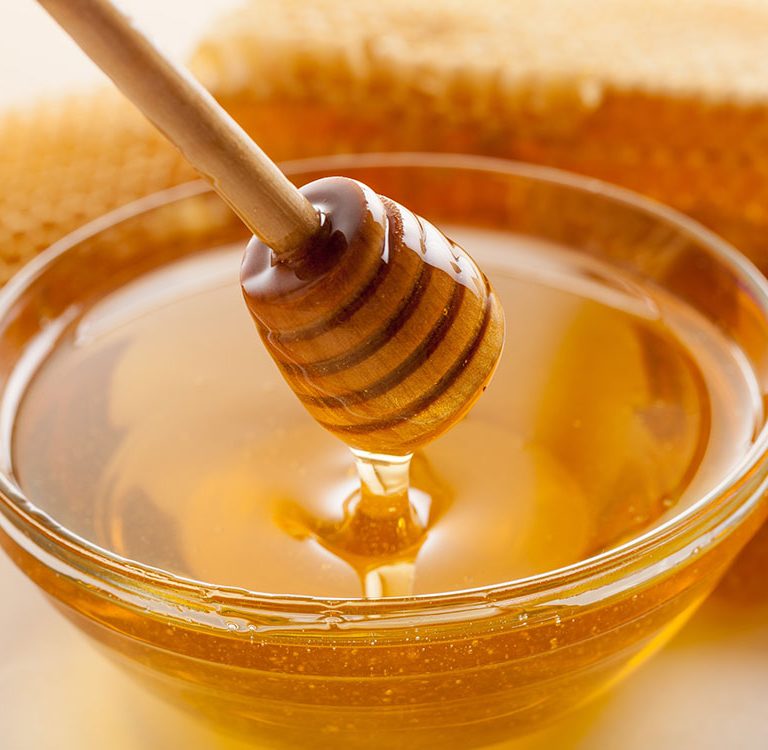
The Best Foods to Prevent Ulcers
Most ulcers aren't caused directly by stress but by the bacterium Helicobacter pylori, which is why ulcers are often treated with antibiotics along with an acid suppressor. Find out which foods can aid in healing and preventing ulcers.
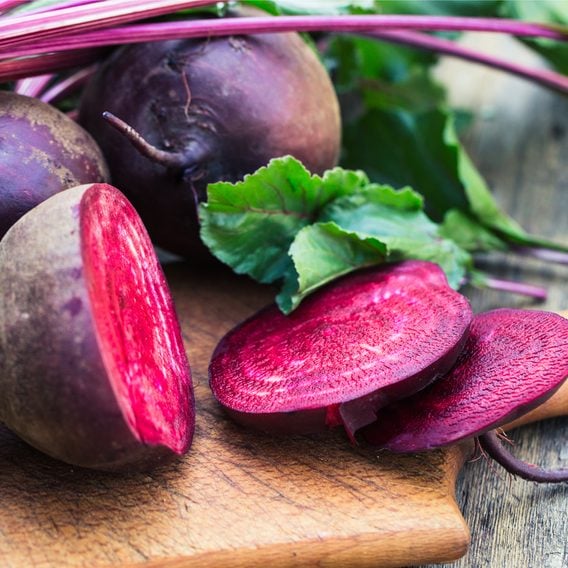
What You Don’t Know About Beets
Beets are packed with healthy nutrients, but they can also have some surprising side effects.
What Canada’s Nutrition Facts Labels Really Mean
You may already be checking the calorie count, but can you read the fine print on Canadian food packaging?
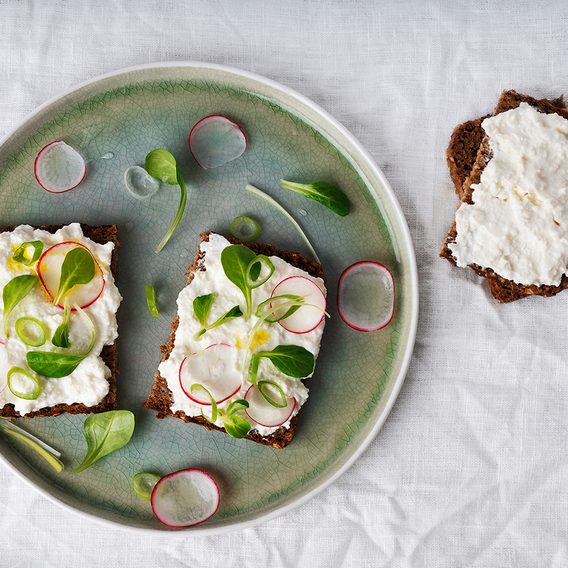
Why You Should Be Eating Pumpernickel Bread
File pumpernickel bread under "delicious" and "nutritious". Here's why this hearty staple scores big with health experts.
Try This Nutritious Menu to Feed Your Brain
Discover the MIND diet—a healthy meal plan that can reduce your risk of Alzheimer's by as much as half.
Why Canadian Butter Isn’t as Soft as It Used To Be
It’s all because of what they’ve been feeding cows. Here's what you need to know about "buttergate".

A Baker’s Dozen Facts About Eggs
Did you know human ovaries contain a lifetime supply of eggs at birth? Or that ostrich eggs weigh over a...
Should You Be Drinking Your Greens?
Green powders are the latest health trend—but they might not be the best way to get your veggies in.
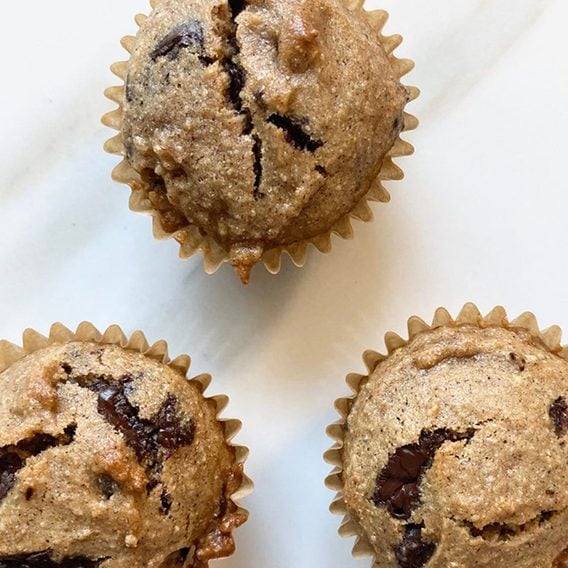
The Healthy Banana Muffin Recipe This Nutritionist Swears By
A muffin can be both a treat and a healthy way to kick off your morning—when made with the right...
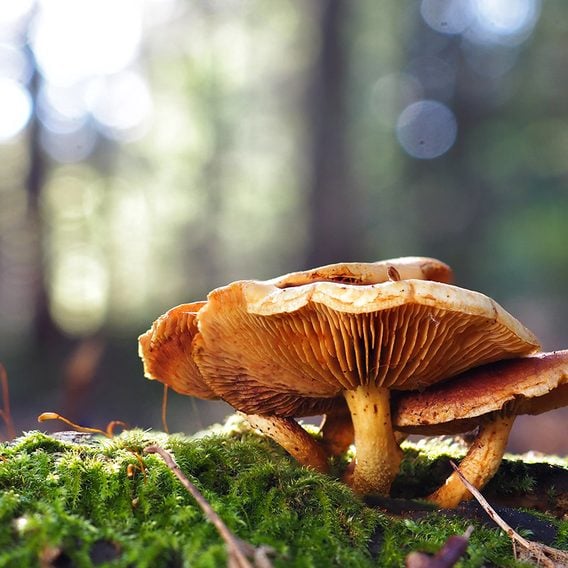
13 Mesmerizing Facts About Mushrooms
From real-life mushroom zombies to their wellness benefits, these facts about mushrooms will fascinate even the most experienced mycophile.
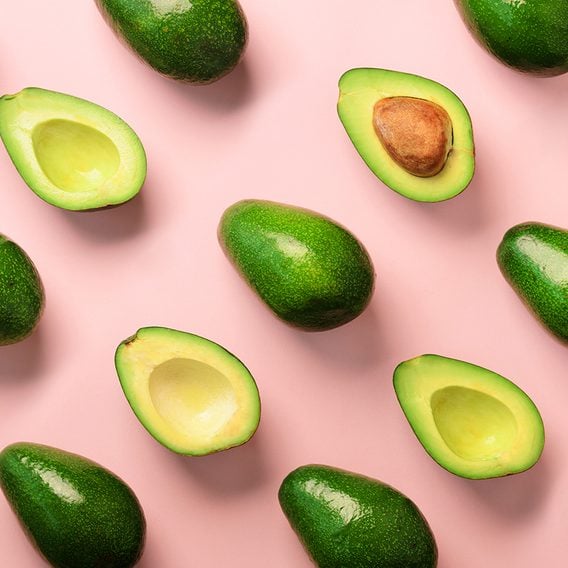
If You’re Not Eating Avocado Every Day, This Might Convince You to Start
Packed with health benefits, avocado is an important part of a healthy diet. Here's the scoop on what makes this...

The Worst Foods for Gut Health
A gastroenterologist reveals the three types of foods known to create an unhealthy gut microbiome—and major health concerns.
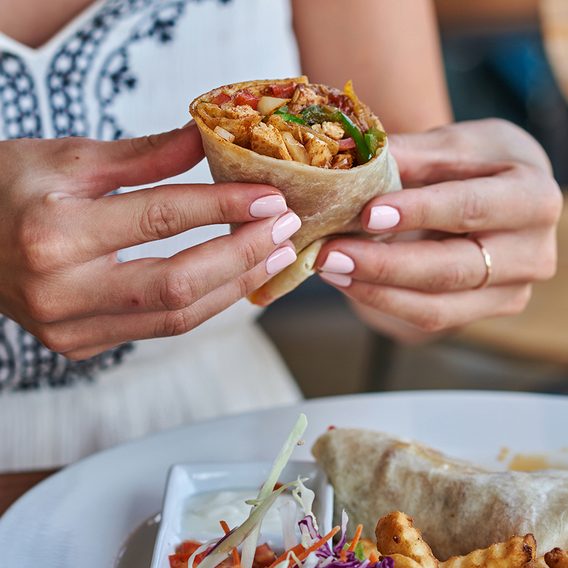
9 Foods Nutritionists Never Order at Fast Food Restaurants
You’ll never want to order these items off the fast food menu again!
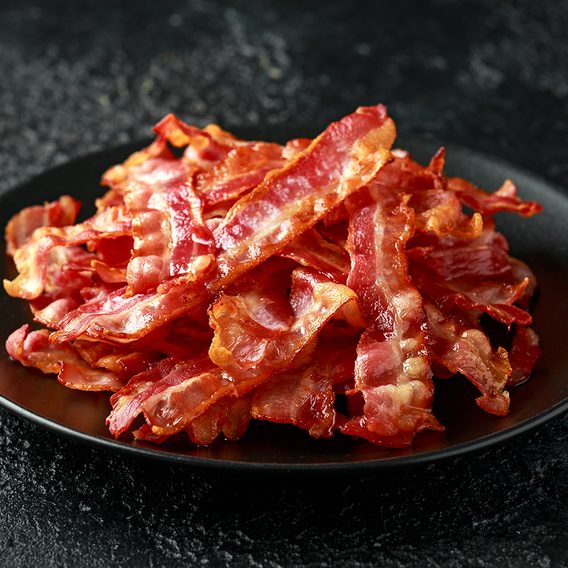
I Ate Bacon Every Day for a Week—Here’s What Happened
Knowing the risks of processed meat, a doctor took one for the team by undergoing a seven-day experiment with this...
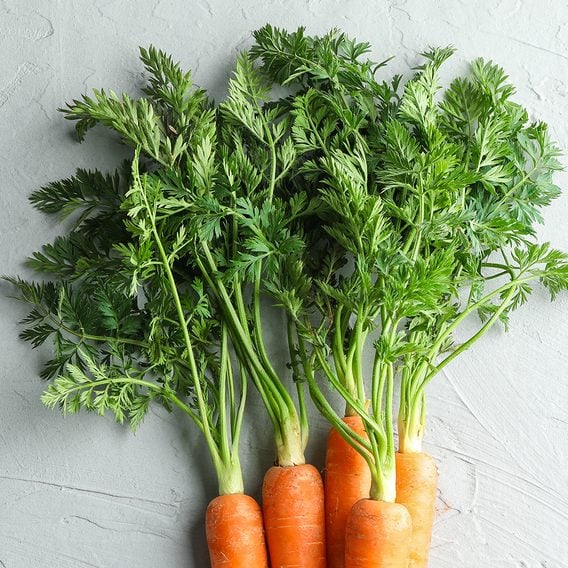
14 Food Parts You Should Never Throw in the Garbage
If you're immediately tossing those leftover parts of fresh produce in the trash, you could be missing out on some...
Eating This Berry Can Improve Your Heart and Brain Health in 8 Weeks
Research at San Diego State University suggests that even though summer is winding down, this fruity favourite should be a...
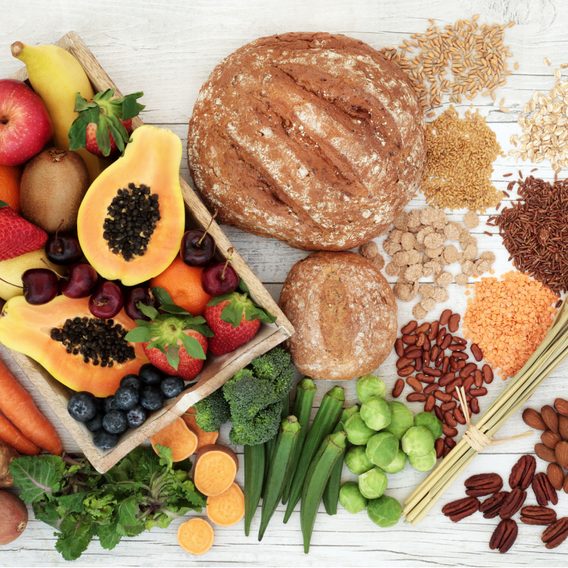
12 Easy Ways to Boost Your Fibre Intake
You may have heard that you should get more fibre in your diet. But what exactly is fibre and why...

10 Mistakes Everyone Makes When Buying Bread
There are few things better than bread, but not all loaves are created equal. Avoid these common mistakes to select...
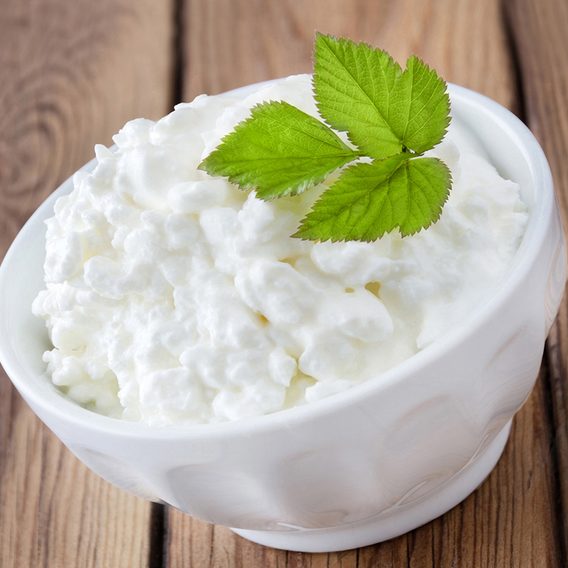
If You’re Not Eating Cottage Cheese Every Day, This Will Convince You to Start
An old favourite is making a comeback! Here’s what cottage cheese is—and why this dairy aisle classic deserves to be...
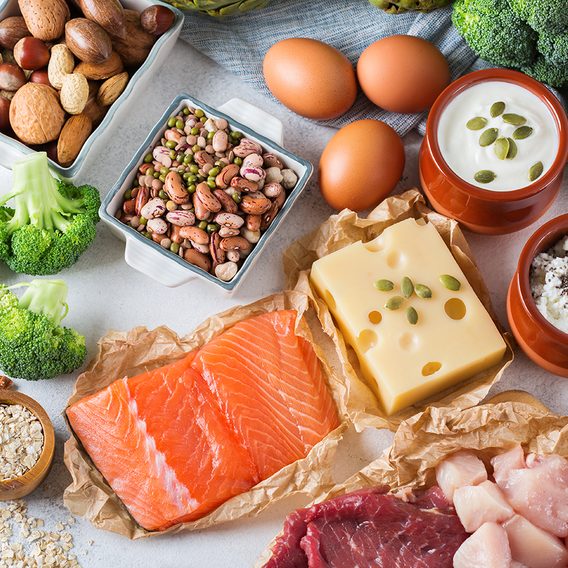
The Best Sources of Protein, According to Canada’s Food Guide
Protein is an essential part of a healthy diet, but it can be tricky to make sure you're getting enough.
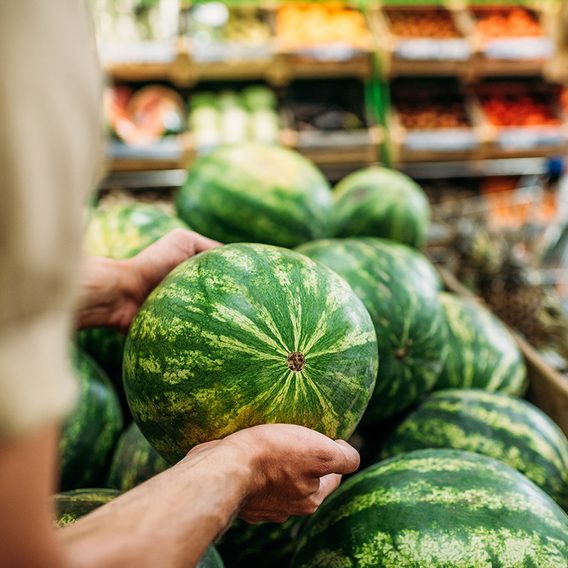
Why You Should Always Tap a Watermelon Before You Buy It
If you hear this sound, it's perfectly ripe! Don't miss these savvy shopping tips that’ll stretch your grocery budget—and cut...
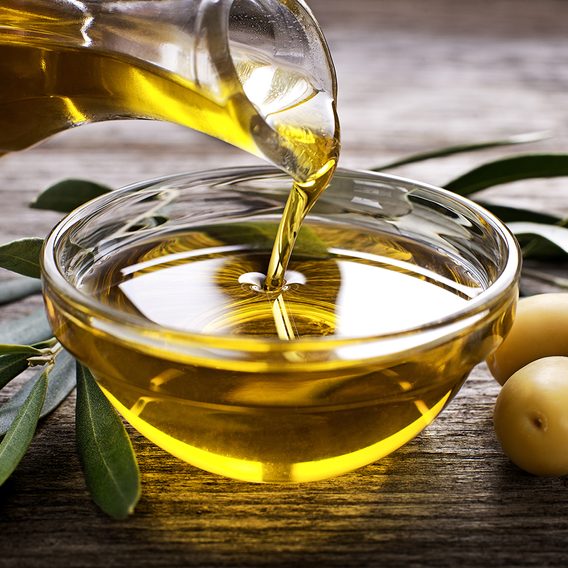
If You Haven’t Switched to Olive Oil Yet, This Might Convince You
A new Harvard study reinforces past data suggesting this Mediterranean mainstay is brilliant for your body—and now, your mind.
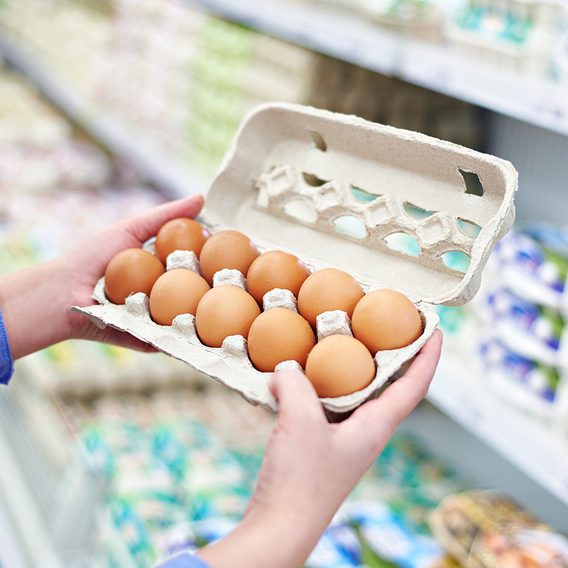
How to Buy the Best Eggs
Learn how to crack the marketing lingo and find the healthiest, freshest eggs on the market.
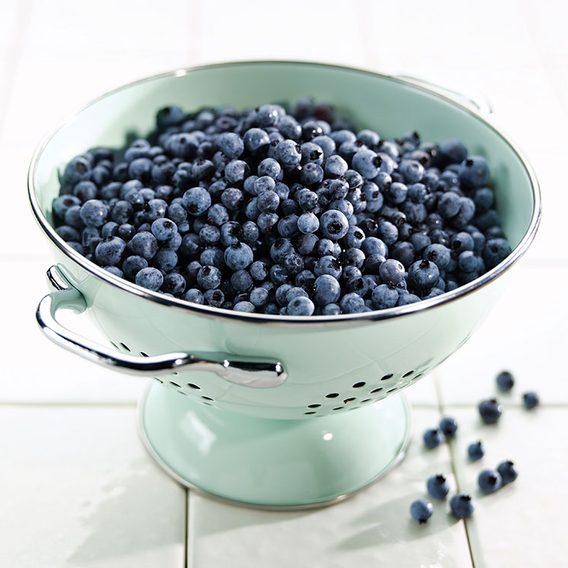
5 Things You Didn’t Know About Wild Blueberries
What's there to know about the humble wild blueberry? Lots, as it turns out! Here are five facts about wild...

The Ultimate Guide to Healthy Grocery Shopping
Find yourself spending a lot and coming home with less food than you expected? Learn to buy the most nutritious...

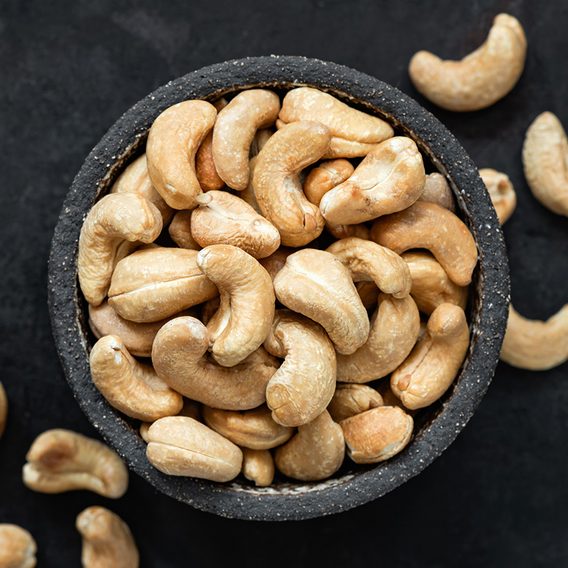
12 Foods With More Iron Than Spinach
Iron keeps your body and mind performing at their peak, but many people just don't get enough of this essential...
This is the Healthiest Time to Eat Dinner
When it comes to maintaining a healthy weight, it's not just what you're eating, but when.
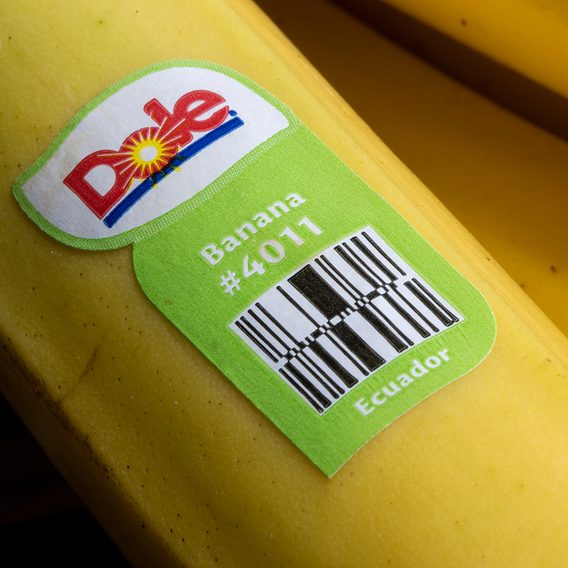
What the Numbers on Fruit Stickers Tell You About Your Produce
If the code starts with this number, it's organic.
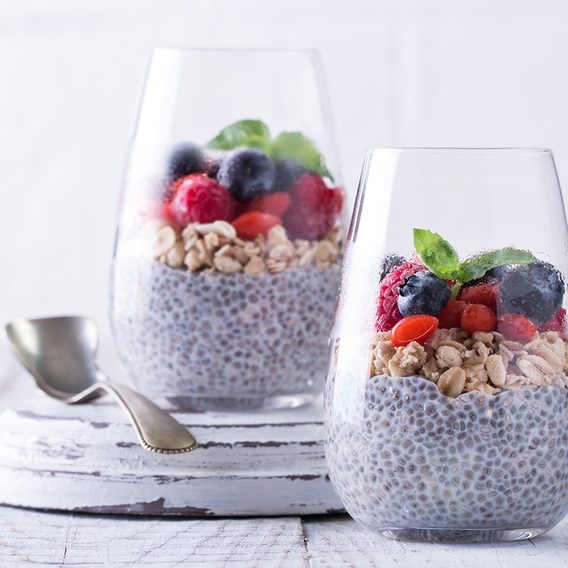
14 Foods Everyone Over 50 Should Probably Be Eating
Nutrition requires a little extra attention as you get older—in part because disease risk increases with age, as does the...
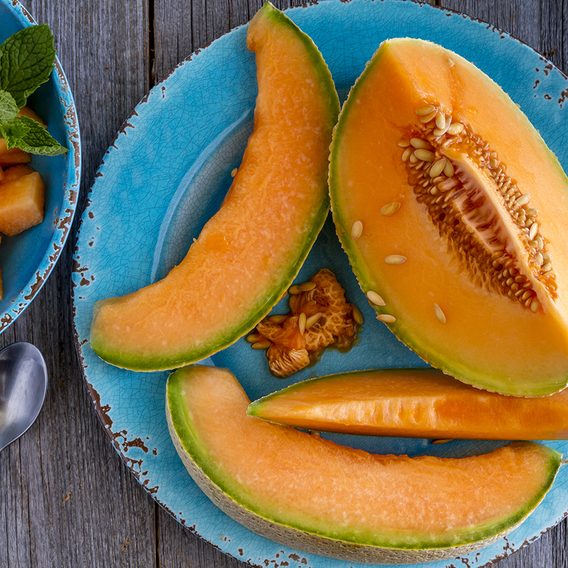
7 Healthy Reasons to Eat More Cantaloupe This Summer
The humble cantaloupe seems to make up 90 percent of most fruit salads—but it's loaded with nutrients that are beneficial...
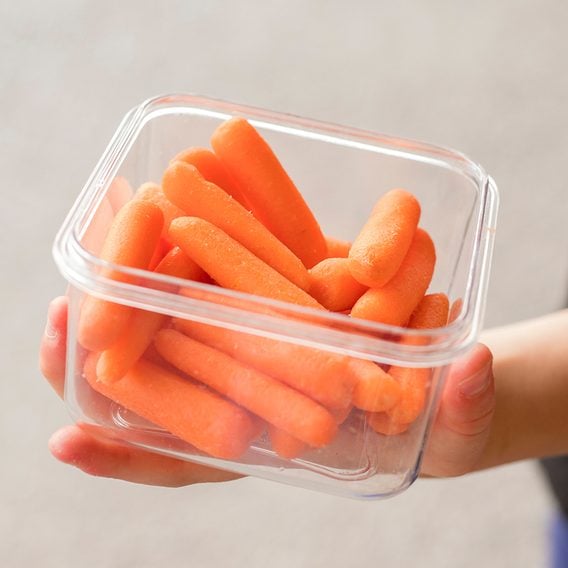
If You See White Stuff on Your Baby Carrots, This Is What It Is
Your instinct might be to toss these "ugly carrots"—but is that really necessary?
